Sustainability
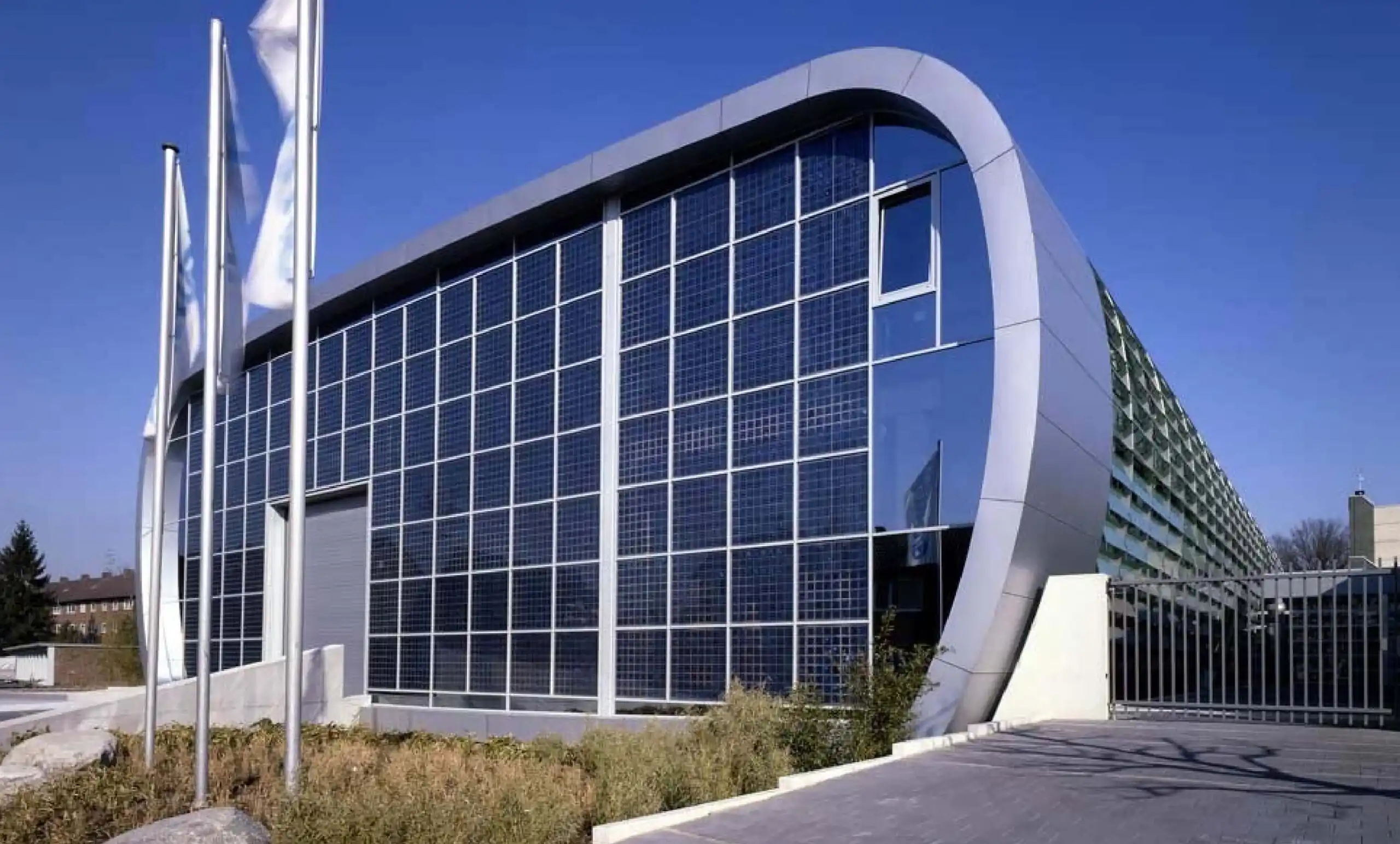
Building Integrated Photovoltaics: The Future of Net Zero Buildings
How building integrated photovoltaics work, the UK policy and fire-safety context, honest cost realities and the records BIPV projects need.
Read Article →The comprehensive guide to modern prefabrication methods, from modular construction to 3D-printed components, and their impact on project timelines.

Prefabrication is transforming construction by moving building processes from unpredictable job sites to controlled manufacturing environments. This shift enables higher quality, faster assembly, and more sustainable construction practices while reducing weather delays and exposure to labour shortages.
Today's prefabrication extends far beyond simple precast concrete panels. Advanced manufacturing techniques are creating sophisticated building components that arrive on-site ready for rapid assembly:
Complete rooms or building sections manufactured off-site, including MEP systems, finishes, and fixtures. These modules can be assembled into complete buildings in days rather than months.
Wall, floor, and roof panels with integrated insulation, electrical, and plumbing systems. These panels offer flexibility while maintaining manufacturing efficiency benefits.
Advanced concrete 3D printing enables complex geometries and custom components that would be impossible or expensive to create using traditional methods.
Prefabrication dramatically compresses construction schedules through parallel processing:
Programmes that move structural and envelope work into modular prefabrication typically compress the on-site duration, reduce material waste because cuts are precise and offcuts are reused inside the factory, and reduce on-site labour intensity because skilled work moves into controlled environments. Weather-related delay risk also drops sharply because the majority of build hours are no longer exposed. The specific gains depend on the proportion of the build that is genuinely factory-suitable.
Modern prefabrication relies heavily on digital technologies for design coordination and manufacturing precision:
Success in prefabrication requires early planning and strong partnerships with manufacturing specialists. Start with simple components like bathroom pods or mechanical rooms before advancing to full modular systems.
Prefabrication technology is accelerating across UK and EU markets as teams target faster delivery, safer sites, and lower embodied carbon. The strongest outcomes come when digital records stay tied to off-site manufacturing and on-site assembly.
Related pages: BIM Collaboration, Sustainability Assessment, Construction automation and robotics.

George Sfica is the founder of BrieXO. A façade engineer with 23 years in manufacturing and construction, eleven of them in façades and external envelopes, he has spent his career identifying workflow gaps and building the systems to close them: from quote automation at metal manufacturing plants in Italy to live dashboards and enterprise platform rollouts at leading UK facade contractors. BrieXO is the platform version of that pattern.
We serve global construction teams with region-specific compliance knowledge. Use these guides to align BIM coordination and audit trails across UK/EU requirements, US workflows, and APAC/ANZ delivery standards.
How building integrated photovoltaics work, the UK policy and fire-safety context, honest cost realities and the records BIPV projects need.
Read Article →
Understanding why 77% of UK construction professionals find technology adoption challenging and how SMEs can overcome barriers to digital transformation.
Read Article →Get insights on construction technology trends, field operations, and delivery workflows.