
Industry Trends
The Future of Construction Technology: Key Trends
Comprehensive analysis of emerging trends shaping the construction industry, from AI-powered scheduling to web-native BIM collaboration.
Read Article →Ten innovations shaping facade engineering to 2030: from unitised manufacture and BIPV to embodied carbon and golden-thread traceability.

The facade engineering landscape is changing quickly, pushed from two directions at once: technology that makes envelopes smarter to design and build, and regulation that demands proof of how they were designed and built. These ten innovations will shape how building envelopes are engineered, manufactured, installed and evidenced by 2030, and the last few matter as much as the flashy ones.
Machine learning tools are beginning to run generative studies that balance daylight, solar gain, embodied carbon, cost and fabrication constraints simultaneously, work that previously took weeks of manual iteration. The engineering judgement still sits with the engineer; what changes is how many options can be tested before a detail is frozen.
Envelope performance monitoring through sensors and digital twin models will let owners compare as-designed against as-operated behaviour: thermal performance, movement, moisture. For contractors, the significant shift is that the as-built record becomes the foundation of the twin: poor installation records produce a twin of a building that does not exist.
Automated and operator-assisted installation systems promise better safety and precision on repetitive unitised work. Adoption will be gradual (sites are variable, and robots dislike variability), but lifting assistance and automated setting-out are already reducing strain and error on high-repetition elevations.
Electrochromic glazing and adaptive shading that adjust to environmental conditions are moving from flagship projects towards broader specification. The engineering challenge shifts to maintainability: moving parts and control systems in an external wall need service regimes and documentation that static envelopes never did.
Aerogel and vacuum insulation, smart glass and self-healing coatings will keep arriving. In the UK, every new envelope material now faces a harder question than performance: fire classification and suitability for the building type, scrutinised more closely than at any point in the industry's history.
As energy performance standards tighten, the envelope increasingly earns its keep by generating power. BIPV turns cladding zones into generation surfaces, with knock-on demands on electrical design, fire review and maintenance planning that we cover in our BIPV guide.
The shift of envelope work into factories continues: tighter tolerances, factory QA, weather independence and safer installation. It also moves the evidence problem upstream: quality records now start at the factory, and the site record must connect each unit to its manufacturing history.
Model-driven fabrication, where the coordinated model drives machine instructions directly, removes the transcription errors that live between drawings and fabrication tickets. It rewards contractors whose design change control is disciplined, because an uncontrolled model change now propagates straight to steel and glass.
Clients and planning authorities increasingly ask for whole-life carbon assessments, and facades are material-heavy: aluminium, glass, steel. Expect Environmental Product Declarations at tender, installed-material records at handover, and growing interest in design for disassembly and the re-use of envelope components rather than downcycling.
The least glamorous innovation will change daily work the most. The Building Safety Act's golden thread requires accurate, digital, structured and transferable records of how higher-risk buildings were designed and built, and the external wall sits at the centre of that demand. By 2030, producing testing evidence, competence records and as-built change history for any element of the envelope will be as basic a capability as CAD.
Nobody should reorganise a business around a 2030 forecast. The practical move is to invest in the capabilities that pay back under today's regulation and remain prerequisites for every innovation above: disciplined model and change control, quality records that start in the factory and follow the unit to the wall, competence records connected to the work rather than filed beside it, and testing evidence that is planned rather than retrofitted. Contractors who have those foundations can adopt twins, robotics and file-to-factory workflows as they mature; contractors who do not will find that each innovation amplifies the noise in their records instead of the signal. The same logic applies commercially: clients already ask for EPDs and carbon data at tender, and the bidders who answer fastest are answering from records they already hold.
Across all ten, one pattern repeats: the envelope is becoming more engineered, more manufactured and more accountable. The contractors who benefit will be those who can evidence what they do: who installed each unit, what qualified them, which test evidence covers the build-up, what changed and why. That record is either built as the work happens or reconstructed painfully at the end; spreadsheets, email chains and photo folders do not survive the journey. See how BrieXO approaches this for envelope specialists at BrieXO for facade contractors, and read the CWCT testing evidence guide for the testing side of the record.

George Sfica is the founder of BrieXO. A façade engineer with 23 years in manufacturing and construction, eleven of them in façades and external envelopes, he has spent his career identifying workflow gaps and building the systems to close them: from quote automation at metal manufacturing plants in Italy to live dashboards and enterprise platform rollouts at leading UK facade contractors. BrieXO is the platform version of that pattern.
We serve global construction teams with region-specific compliance knowledge. Use these guides to align BIM coordination and audit trails across UK/EU requirements, US workflows, and APAC/ANZ delivery standards.
Comprehensive analysis of emerging trends shaping the construction industry, from AI-powered scheduling to web-native BIM collaboration.
Read Article →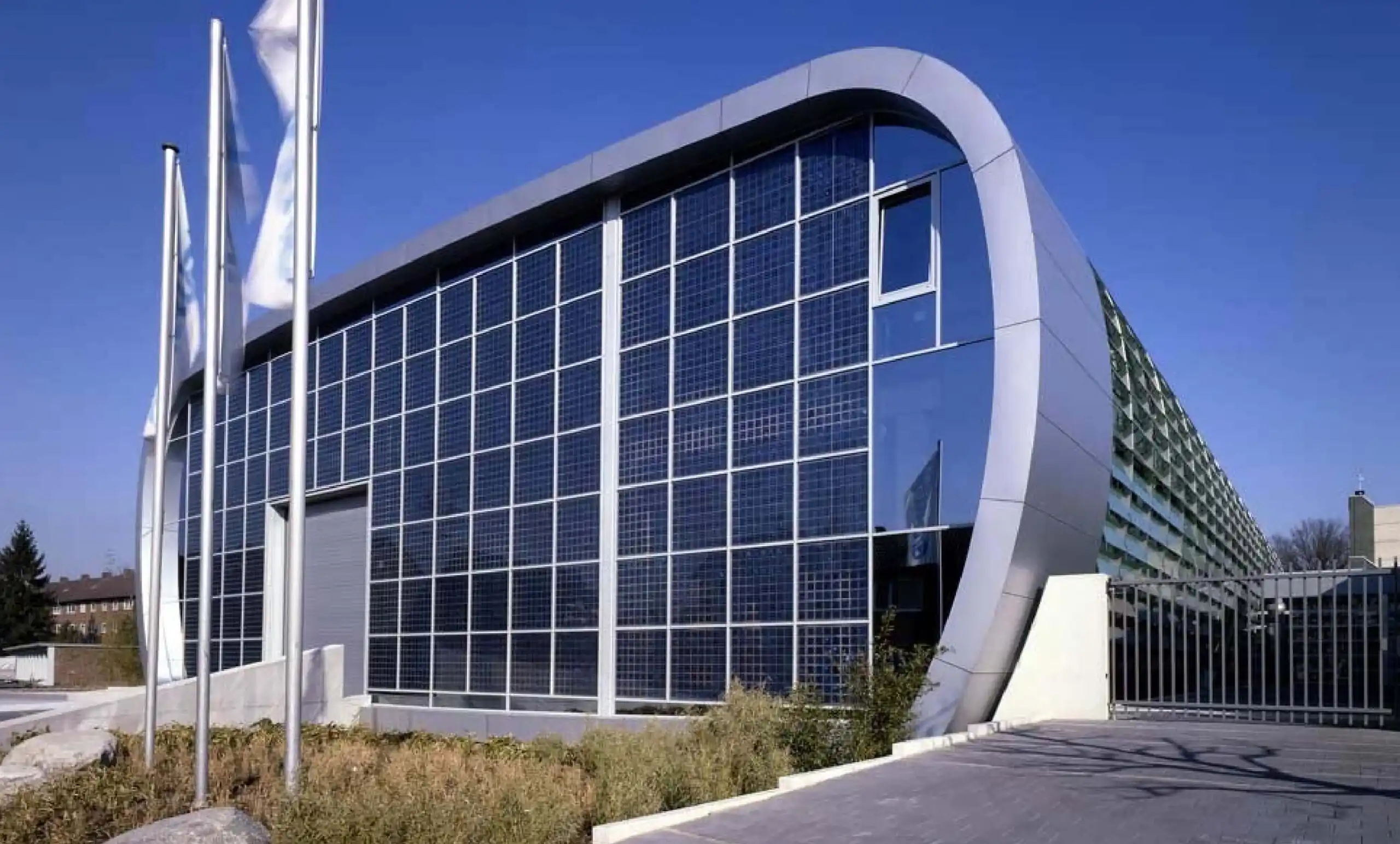
Step-by-step guide to implementing carbon footprint tracking in your construction projects, from material selection to regulatory compliance.
Read Article →Get insights on construction technology trends, field operations, and delivery workflows.